



In the realm of currency trading, forex trading systems fxtrading-broker.com provides an excellent platform for traders to explore different Forex trading systems. Forex trading, or foreign exchange trading, involves the conversion of one currency into another. This market is one of the largest financial markets in the world, and with its size comes a myriad of trading strategies and systems tailored to equip traders with the tools necessary for success. In this article, we delve into what Forex trading systems are, their types, advantages, and how to choose the right one for your trading needs.
Understanding Forex Trading Systems
A Forex trading system is a set of rules that a trader follows when entering and exiting trades in the foreign exchange market. These systems generally include specific criteria for opening and closing trades, risk management procedures, and methods for finding the right entry and exit points. They might be based on technical analysis, fundamental analysis, or a combination of both. Trading systems can be automated or manual, allowing for a wide range of adaptability for different trading styles and preferences.
Types of Forex Trading Systems
There are numerous types of Forex trading systems, each catering to different trading strategies. Below are some of the most commonly used systems:
1. Trend Following Systems
These systems assist traders in identifying and capitalizing on existing market trends. By analyzing price movements, traders can take long positions in an uptrend and short positions in a downtrend. Indicators such as Moving Averages or the Average Directional Index (ADX) are often utilized in trend following systems.
2. Range Trading Systems
Range trading systems work well in markets that are moving sideways, i.e., when prices oscillate between a specific high and low. Traders using these systems buy when the market approaches the support level and sell when it nears the resistance level. Key indicators for range trading include the Relative Strength Index (RSI) and Stochastic Oscillator.

3. Breakout Trading Systems
Breakout systems aim to capitalize on significant price movements once the price breaks through established support or resistance levels. Traders typically look to enter a transaction immediately after a breakout occurs, often using chart patterns and volume indicators to confirm the breakout’s strength.
4. Scalping Systems
Scalping systems are designed for short-term traders seeking to exploit small price movements throughout the day. Scalpers often make numerous trades with the aim of securing a small profit on each trade. This strategy requires rapid decision-making, often facilitated by automated trading systems.
Advantages of Using Forex Trading Systems
Implementing a trading system offers several advantages:
- Consistency: Trading systems provide a structured approach to decision-making, reducing emotional bias and leading to more consistent results.
- Risk Management: Most systems incorporate strict risk management rules, helping traders to limit losses and protect their capital.
- Time-Saving: Pre-defined rules allow traders to spend less time analyzing the market and more time executing trades.
- Backtesting Opportunities: Traders can analyze the effectiveness of a trading system based on historical data before risking real capital.
How to Choose the Right Forex Trading System
Selecting the right Forex trading system is essential for success. Here are some steps to consider when choosing a system:
1. Assess Your Trading Style
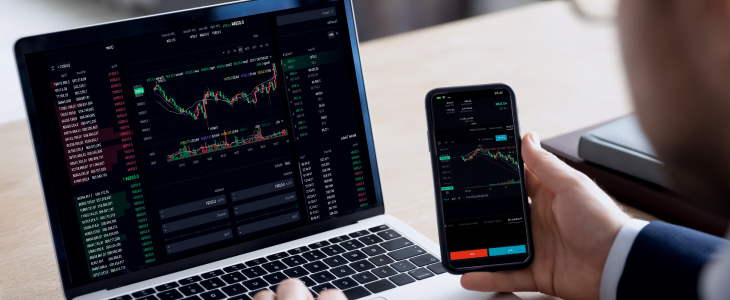
Identify whether you prefer day trading, swing trading, scalping, or long-term investing. Your trading style will influence the types of systems that may suit you best.
2. Research Various Systems
Look into different trading systems and strategies. Many traders share their experiences online, which can provide valuable insights into the effectiveness of a system.
3. Backtest the System
Before committing real funds, backtest the system using historical data. This allows you to see how the system would have performed in different market conditions.
4. Start with Demo Trading
Test your chosen trading system through a demo account. This not only allows you to gain practical experience without financial risk but also helps you determine if the system aligns with your trading preferences.
Continual Learning and Adaptation
The foreign exchange market is dynamic, and what works today may not work tomorrow. Throughout your trading journey, it is vital to continue learning and adapting your strategies. Join trading forums, seek mentorship, and stay updated with market news to remain on top of changing conditions.
Conclusion
Forex trading systems play a crucial role in a trader’s success by providing structure and discipline to trading activities. Understanding different types of systems and their advantages allows traders to make informed choices based on their individual needs and circumstances. By selecting the right system, committing to continuous education, and adapting to market changes, traders can enhance their chances of achieving consistent profitability in the Forex market.